Products



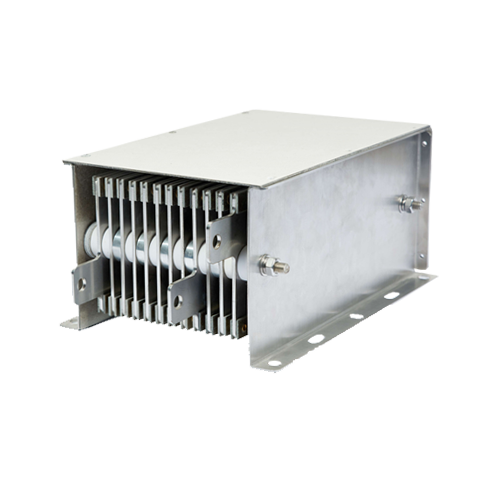
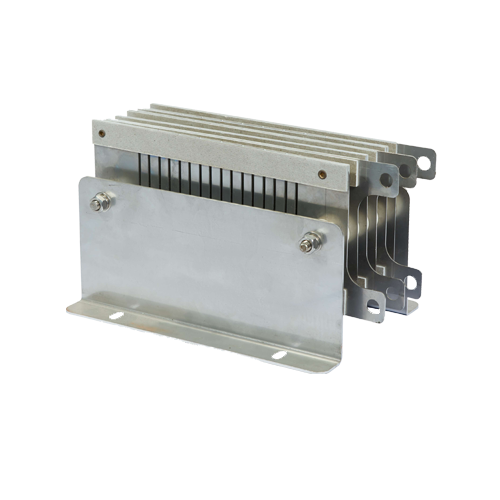
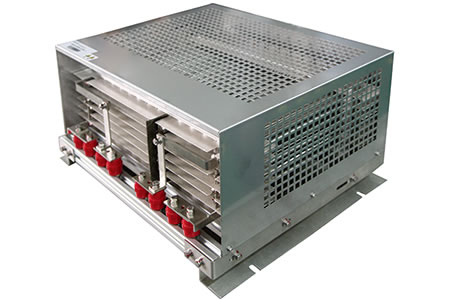
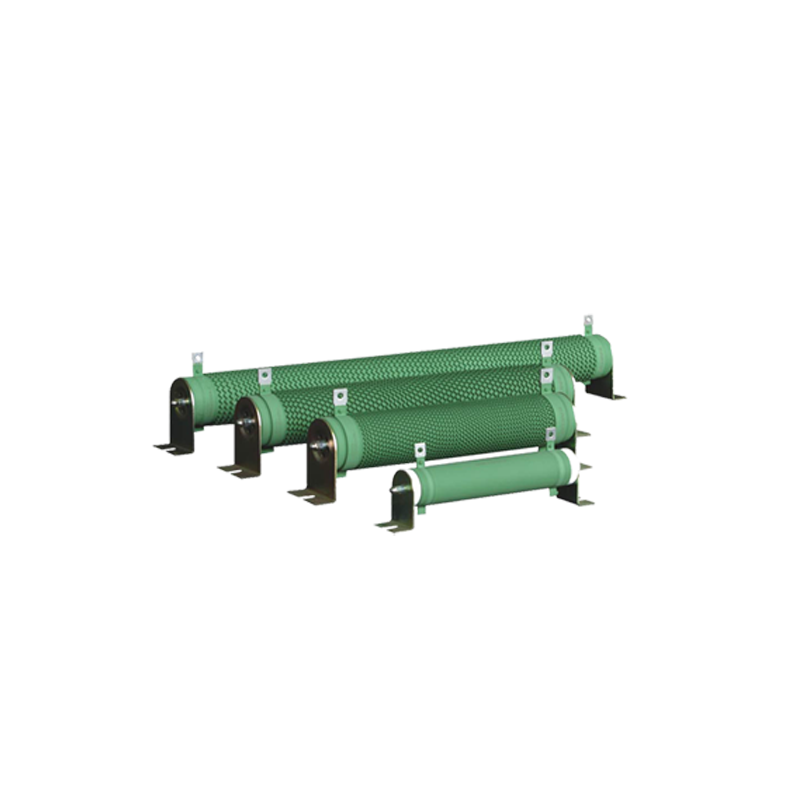
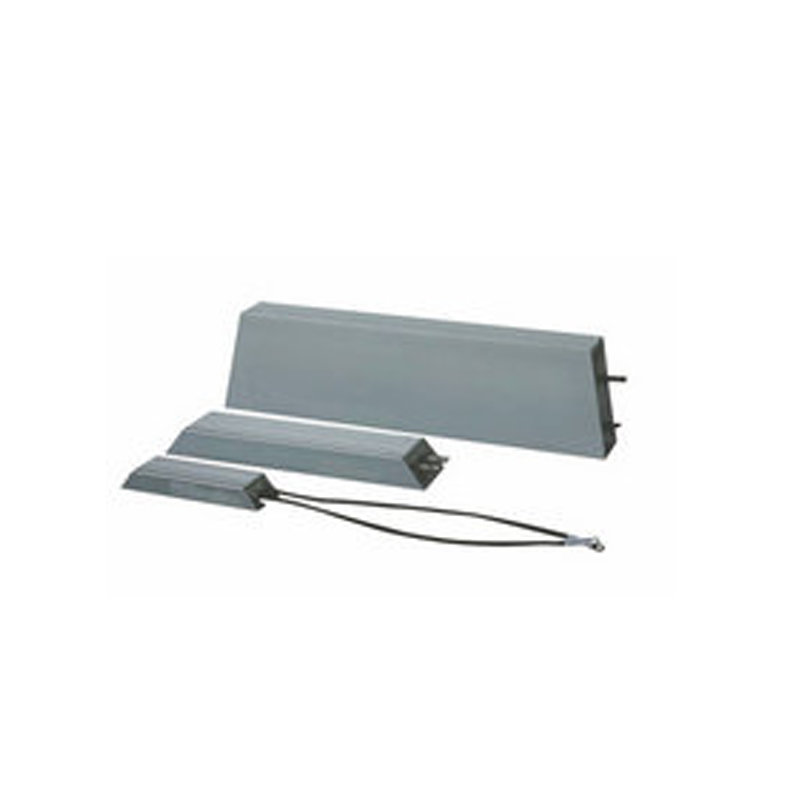
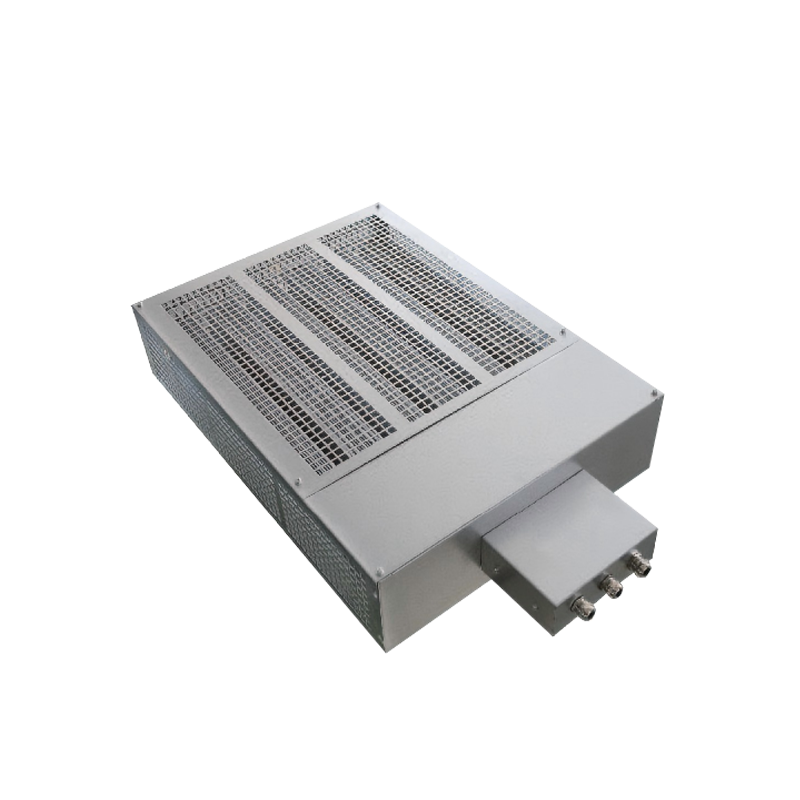
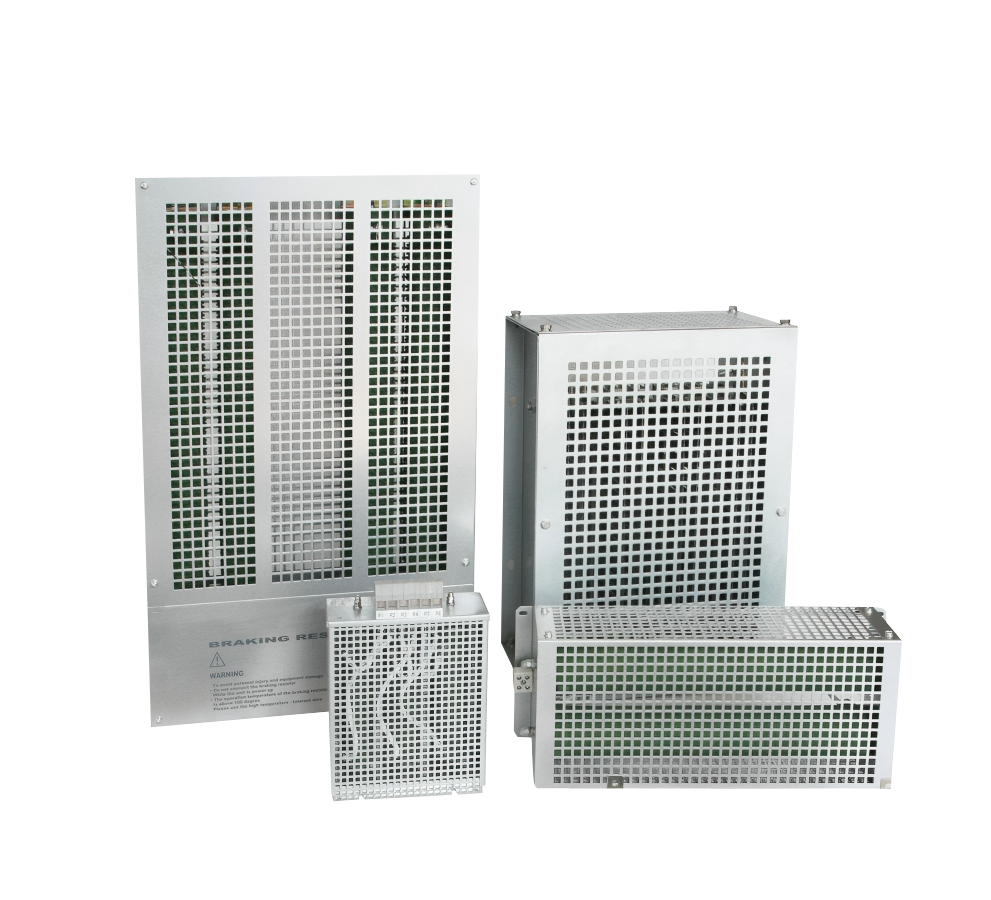
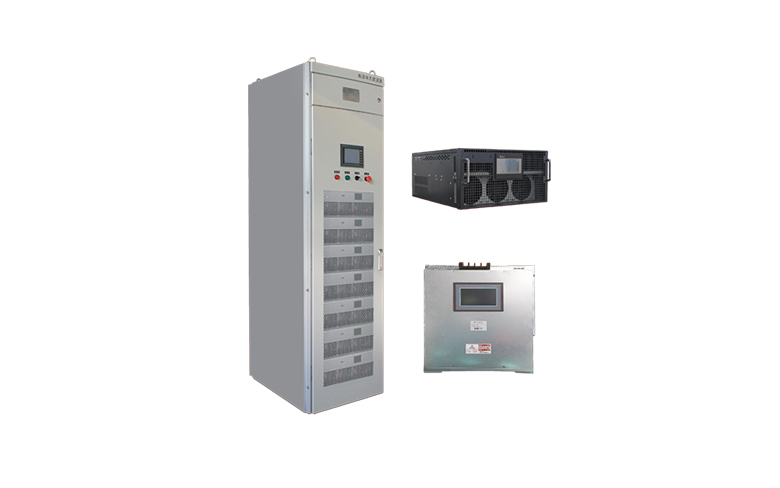
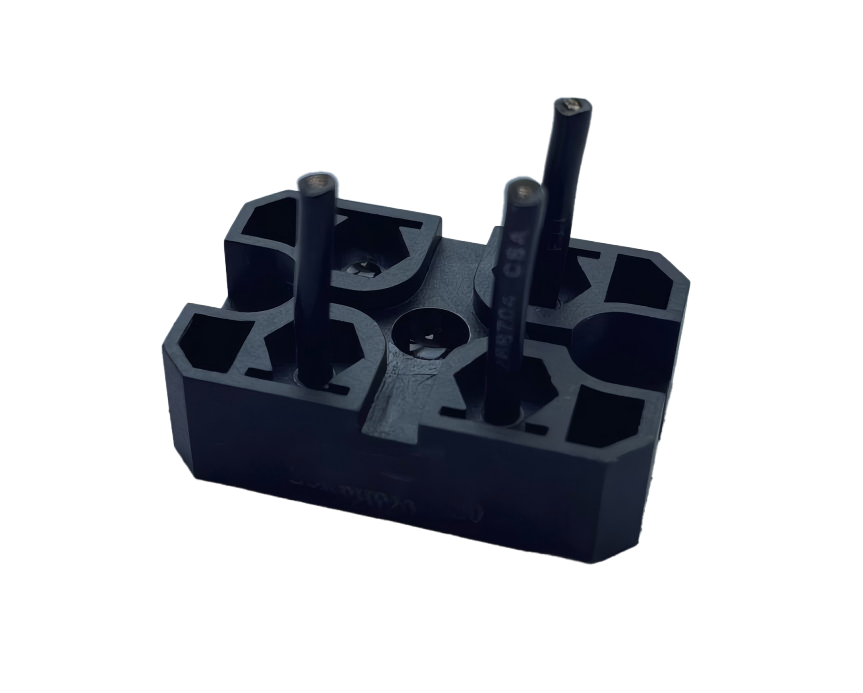
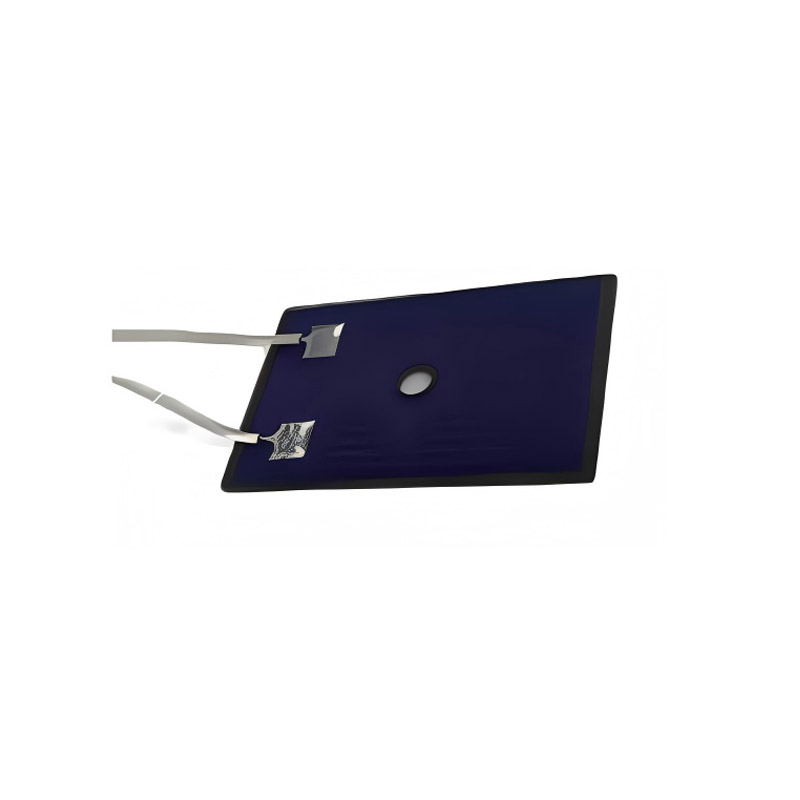
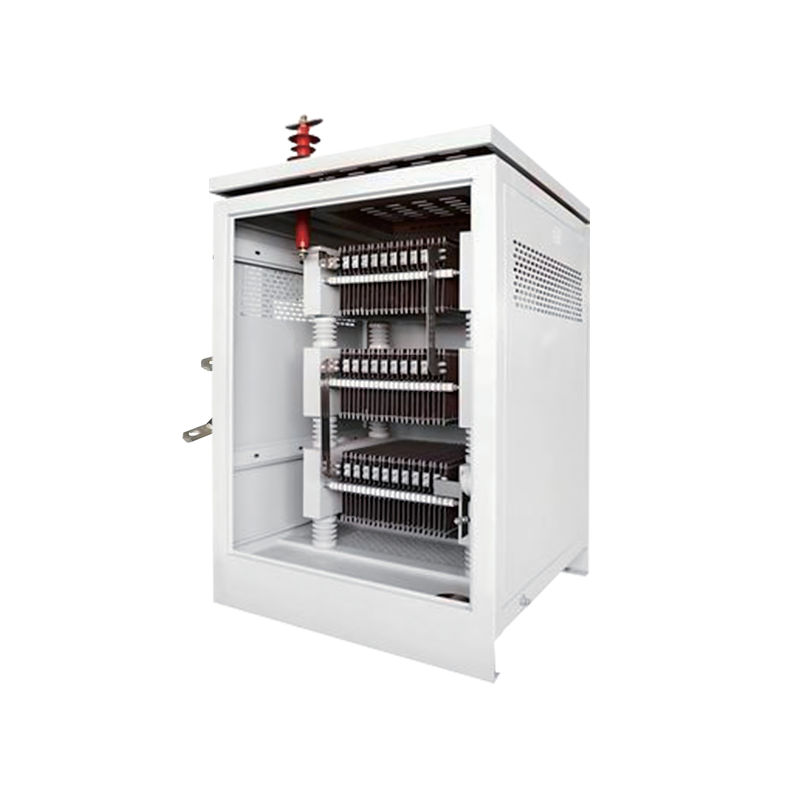
Crowbar resistors are used to suppress transient or short-duration voltage peaks and can also be used to control longer lasting over-voltages. Crowbar resistors are three phase resistance banks which are connected to the rotor windings of the DFIG (Doubly-Feed Induction Generator) such as wind power generator.
The crowbar resistors should be high enough to limit the short circuit rotor current and also they should be low enough to avoid too high voltage in the rotor circuit. The crowbar resistor should be designed with low inductance and capable of handling very high currents for short periods. Power parts with in the Inverter can be damaged as a result of over voltages power supply failures or other faults. Therefore an extensive protection system should be there to reduce the likelihood of damage to the inverter. Crowbar resistors are designed to handle high power loads for limited periods. They are compact, light weight, low maintenance and very reliable.
Features
| Items | Standard |
| Power Range | 31-300KW |
| Voltage Range | <5KV |
| Value Range | 0.05R-100R |
| Dielectric Strength | AC3KV/1min 50Hz |
| Insulation Resistance | 100MΩMin |
| IP Class | IP20-IP23 optional) |
| Rated Temperature Rise | 375°C |
| Temperature drift: | 400-1260ppm/℃ |
| Vibration | No visible damage Free of breakdown or flying arc △R≤±(1%R.+0.05Ω) |
Key Applications of Crowbar Resistors
Wind Power Generation (DFIG): Crowbar resistors are essential in Doubly-Fed Induction Generators (DFIG) to protect the rotor-side inverter from high currents and excessive DC bus voltage during grid faults, such as low-voltage disturbances.
Railway Traction Systems: They are used in traction power supplies to handle transient or sustained overvoltage conditions. They can be used as "soft" crowbars to dissipate transient spikes or "hard" crowbars to handle longer-term overvoltages by short-circuiting the system.
Power Converter Protection: Used in industrial inverters, motor drives, and other power conversion systems to prevent damage to components when a surge or failure occurs, often acting in conjunction with thyristors (SCRs) to quickly trip protection devices.
Industrial Power Supplies: Protects sensitive loads from overvoltage by creating a low-resistance path, which forces the power supply into current limiting or blows a fuse to isolate the fault.
Emergency Generators & UPS Systems: Load banks often incorporate these resistors to test or protect equipment.