Products



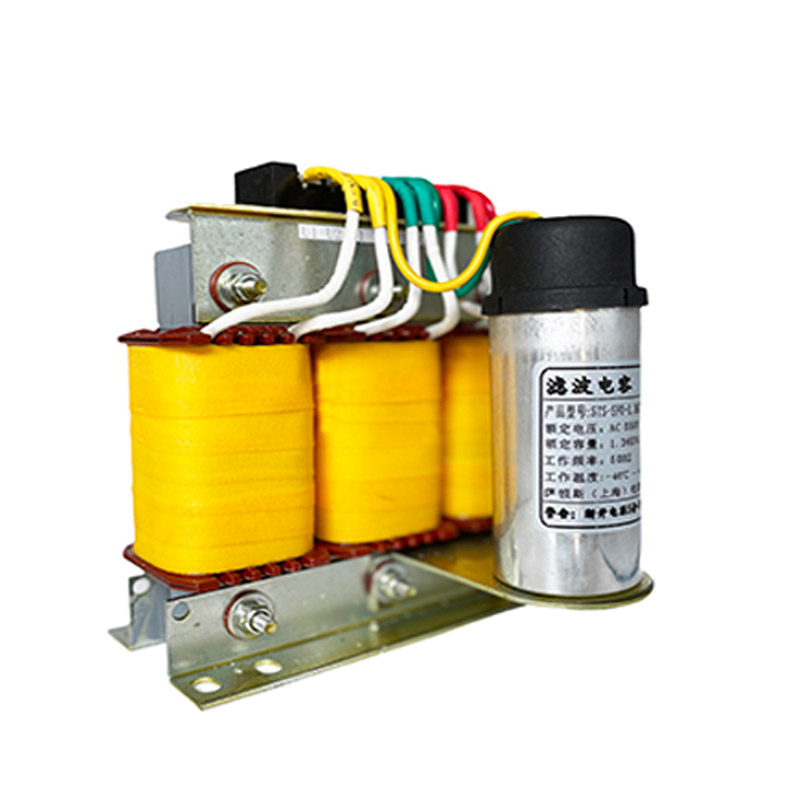
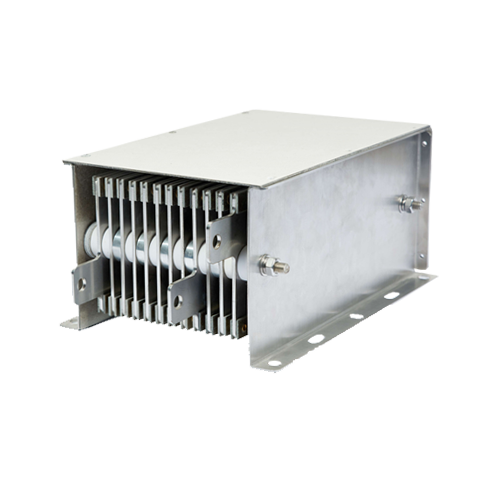
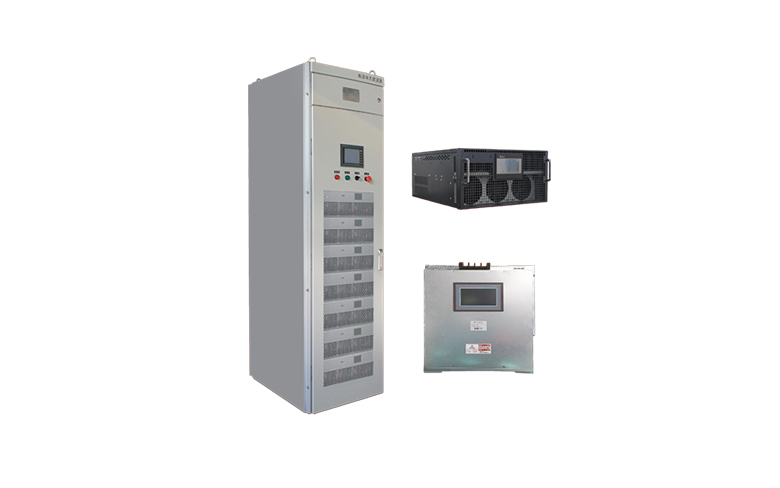
Sinus filters are used to convert the output voltage of the frequency converter into a sinusoidal voltage. Sinusoidal shaped output voltage for your frequency inverters. Frequency converters generate high electrical interference signals on the motor cable, which not only disturb the load, but also increase the insulation load on the motor. A sine-wave filter, which reduces these interfering signals, provides a remedy. In addition, the voltage peaks are attenuated as well as the electromagnetic compatibility (EMC), which promises a longer service life. The filters are connected between the frequency converter and the motor in the motor cable. Compared to a line filter, the sinusoidal filter has a low cut-off frequency.
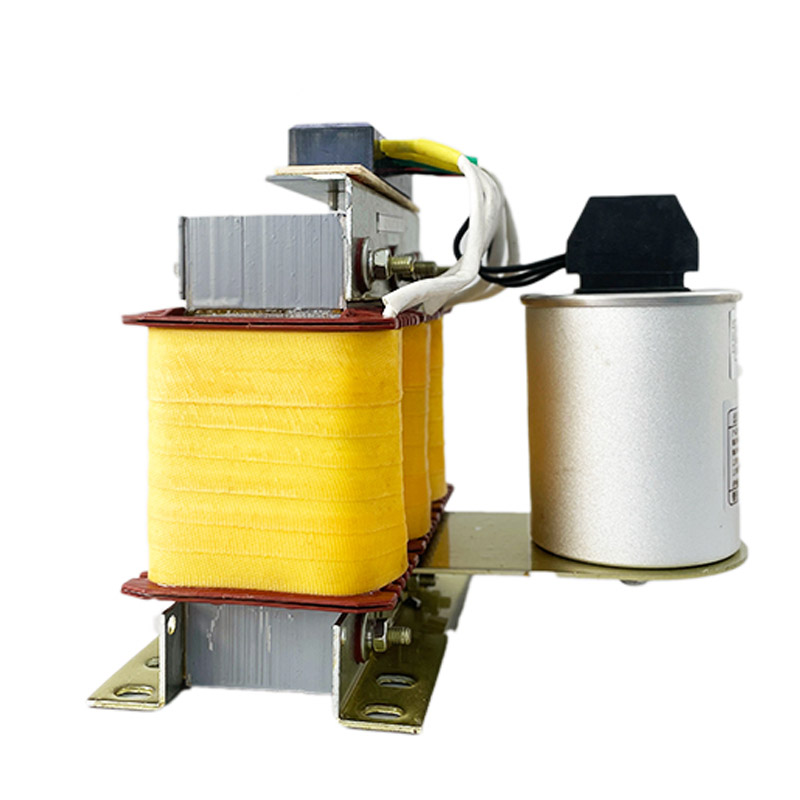
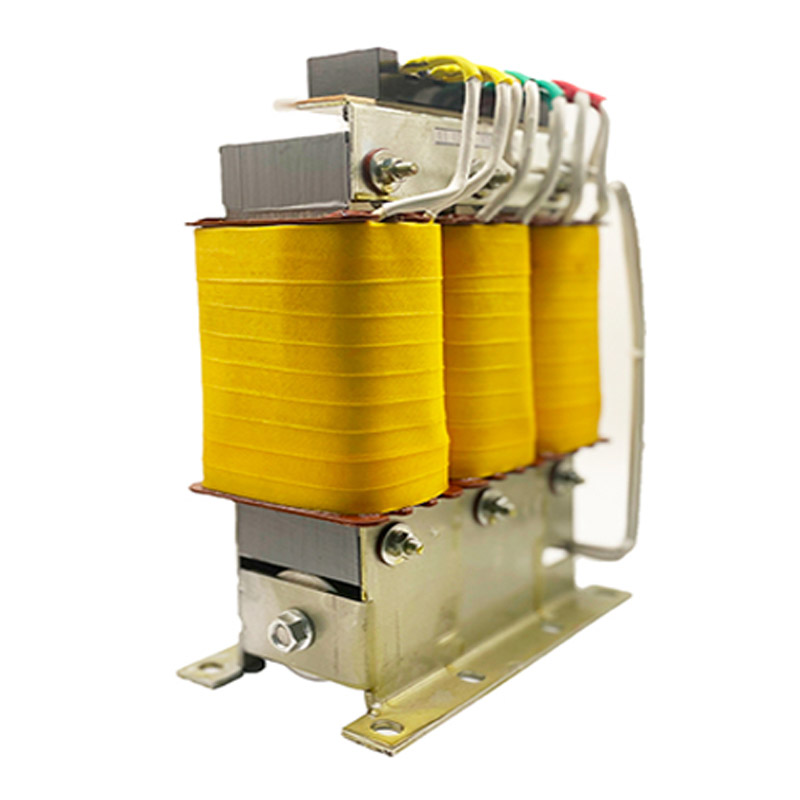
Sine-wave filters are passive devices based on a three-phase choke and a capacitor bank. They are designed to convert the output voltage of a pulse-width modulated (PWM) frequency converter into a sine-wave voltage, eliminating higher harmonics that create additional losses in the cable line and motor.
Sine-wave filters offer several advantages over du/dt and motor chokes, as the high carrier frequency of the frequency converter is almost completely absorbed by the filters, resulting in a completely sinusoidal output voltage, allowing for longer cable runs from the frequency converter to the motor. Using a filter protects the output stage of the frequency drive, the motor power cable, and the motor itself, while reducing losses in the cable and motor, ultimately increasing the reliability of all components of the frequency converter's output circuit.
Features
- Prolonged motor lifetime
- Extended motor cable length
- Cheaper, unshielded cables can be used
- Reduction of service costs
- Lower motor noise
Typical Appications
- Motors with PWM drives
- Submersible pumps
- Drives with long cable routes
- Motors in explosive atmospheres
- High power drives for critical applications
- Mining & Minerals
- Oil & Gas
- Chemical industry